

Tauzeehat E Fikr E Farahi By Khalid Masood Al Balagh) Urdu


Original price was: ₹480.00.₹380.00Current price is: ₹380.00.
- Core Themes of the Book
- Maulana Khalid Masood’s Tauzeehat-e-Fikr-e-Farahi is not just a summary—it’s a critical engagement with Farahi’s ideas. The book is divided into thematic essays that explore:
- 1. Nazm-e-Quran (Coherence of the Quran)
- Farahi’s central thesis is that the Quran is not a random collection of verses but a meticulously organized text. Khalid Masood elaborates on how each Surah has a central theme (maqsad) and how verses are interlinked to support that theme. This challenges the traditional view that the Quran lacks chronological or thematic order.
- Example: Surah Al-Baqarah is shown to revolve around the theme of leadership and divine guidance, with stories, laws, and parables reinforcing this core idea.
- 2. Language and Semantics
- Farahi was a master of Arabic linguistics. Khalid Masood highlights how Farahi’s deep understanding of classical Arabic helped him uncover nuanced meanings in Quranic words—often missed by other scholars. The book explains how Farahi used Ilm-ul-Wujuh (science of word meanings) to interpret verses with precision.
- 3. Rationality and Revelation
- Unlike rigid literalists or mystics, Farahi believed that reason and revelation are not contradictory. Khalid Masood defends this position, showing how Farahi’s approach is both intellectually rigorous and spiritually uplifting. He argues that Islam encourages tadabbur (reflection) and tafakkur (contemplation), and Farahi’s method embodies this ethos.
- 4. Role of Prophets and Shariah
- Farahi’s view of Prophethood is deeply rooted in the Quran’s narrative structure. Khalid Masood explains how Farahi saw prophets as moral exemplars and reformers, not just lawgivers. The book also discusses Farahi’s nuanced understanding of Shariah—not as a rigid legal code but as a dynamic moral framework.
- 5. Farahi’s Methodology vs. Traditional Tafsir
- One of the most compelling sections contrasts Farahi’s method with classical tafsir traditions. Khalid Masood critiques the reliance on Israiliyat (Judaic legends), weak Hadiths, and sectarian biases in older commentaries. He shows how Farahi’s Quran-first approach offers clarity, coherence, and spiritual depth.
Tauzeehat E Fikr E Farahi By Khalid Masood Al Balagh) Urdu


Certainly, Arshad. Here’s a detailed English explanation—around 1000 words—of Tauzeehat-e-Fikr-e-Farahi by Maulana Khalid Masood, tailored to your style: emotionally resonant, culturally rooted, and SEO-friendly. This summary captures the essence of the book while respecting its intellectual depth and Urdu heritage.
✨ Tauzeehat-e-Fikr-e-Farahi: An English Overview of Khalid Masood’s Intellectual Tribute
Tauzeehat-e-Fikr-e-Farahi, authored by Maulana Khalid Masood and published by Al Balagh, is a profound exposition of the intellectual legacy of Imam Hamiduddin Farahi—a towering figure in modern Islamic thought. This book serves as both a commentary and a bridge, connecting Farahi’s Quran-centric philosophy to contemporary readers, scholars, and seekers of truth.
📚 Background: Who Was Imam Farahi?
Imam Hamiduddin Farahi (1863–1930) was a visionary scholar from India who revolutionized Quranic interpretation by emphasizing its internal coherence (nazm) and thematic unity. He believed that the Quran is a self-explaining book, and its true understanding lies in grasping its structural and linguistic depth—rather than relying solely on external sources like Hadith or classical commentaries.
Farahi’s disciple, Maulana Amin Ahsan Islahi, carried forward this legacy through his magnum opus Tadabbur-e-Quran, and later scholars like Javed Ahmad Ghamidi and Khalid Masood further refined and disseminated this school of thought.
🧠 Core Themes of the Book
Maulana Khalid Masood’s Tauzeehat-e-Fikr-e-Farahi is not just a summary—it’s a critical engagement with Farahi’s ideas. The book is divided into thematic essays that explore:
1. Nazm-e-Quran (Coherence of the Quran)
Farahi’s central thesis is that the Quran is not a random collection of verses but a meticulously organized text. Khalid Masood elaborates on how each Surah has a central theme (maqsad) and how verses are interlinked to support that theme. This challenges the traditional view that the Quran lacks chronological or thematic order.
Example: Surah Al-Baqarah is shown to revolve around the theme of leadership and divine guidance, with stories, laws, and parables reinforcing this core idea.
2. Language and Semantics
Farahi was a master of Arabic linguistics. Khalid Masood highlights how Farahi’s deep understanding of classical Arabic helped him uncover nuanced meanings in Quranic words—often missed by other scholars. The book explains how Farahi used Ilm-ul-Wujuh (science of word meanings) to interpret verses with precision.
3. Rationality and Revelation
Unlike rigid literalists or mystics, Farahi believed that reason and revelation are not contradictory. Khalid Masood defends this position, showing how Farahi’s approach is both intellectually rigorous and spiritually uplifting. He argues that Islam encourages tadabbur (reflection) and tafakkur (contemplation), and Farahi’s method embodies this ethos.
4. Role of Prophets and Shariah
Farahi’s view of Prophethood is deeply rooted in the Quran’s narrative structure. Khalid Masood explains how Farahi saw prophets as moral exemplars and reformers, not just lawgivers. The book also discusses Farahi’s nuanced understanding of Shariah—not as a rigid legal code but as a dynamic moral framework.
5. Farahi’s Methodology vs. Traditional Tafsir
One of the most compelling sections contrasts Farahi’s method with classical tafsir traditions. Khalid Masood critiques the reliance on Israiliyat (Judaic legends), weak Hadiths, and sectarian biases in older commentaries. He shows how Farahi’s Quran-first approach offers clarity, coherence, and spiritual depth.
🌿 Intellectual Impact and Relevance Today
Khalid Masood doesn’t just present Farahi’s ideas—he contextualizes them for today’s world. In an age of fragmented religious discourse, Tauzeehat-e-Fikr-e-Farahi offers a unifying lens rooted in the Quran’s own structure. It appeals to:
Academics seeking a rational framework for Islamic studies
Spiritual seekers yearning for direct engagement with the Quran
Educators and reformers looking to revive Islamic thought without sectarian baggage
Related Products
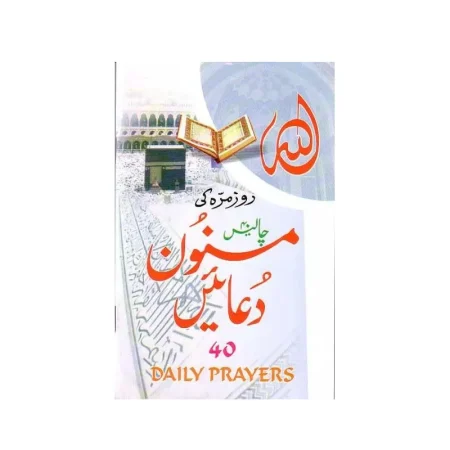
- 40 Daily Prayers (Ibs) English/Arabic
2 in stock

- 26 Chabbis Surtein Momin Ka Hathyar Allah Ki Panah Muhammad Yunus Idara (Urdu)
25 in stock

- A Gift To The Husband And Wife Maulana Muhammad Ashraf Ali Thanwi Idara (English)
3 in stock
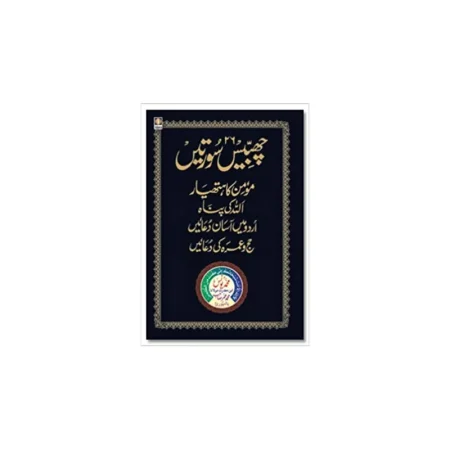
- 26 Chabbis Suraten Mohd Yunus Ibn Hazrat Maulana Mohd Umar Sahab Palanpuri Ra) Farid Arabic/Urdu
24 in stock

- Paperback
- Publisher: Goodword Books
- Language: English
1 in stock

1 in stock

- A Brief Illustrated Guide To Understanding Islam I. A. Ibrahim Goodword (English)
1 in stock
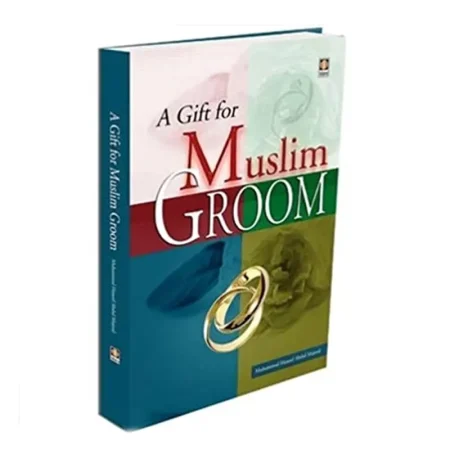
- Hardcover
- Publisher: Unknown (January 1, 2013)
- Language: English
15 in stock

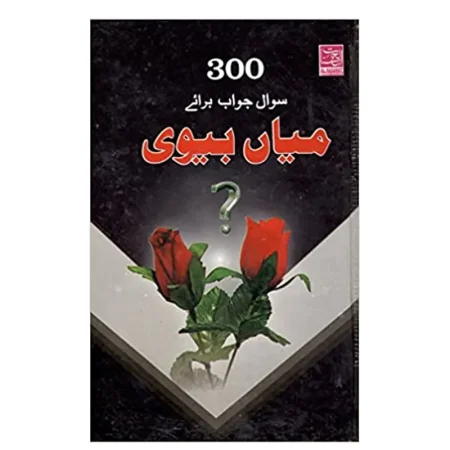
300 Sawal Jawab Baraye Miyan Biwi (Hafiz Abdullah Saleem) Al Hasanat Urdu
- Effective Communication: Communication is the cornerstone of any healthy relationship. The book provides guidance on how spouses can express their feelings and concerns effectively while maintaining respect and empathy. It also offers tips on avoiding misunderstandings and resolving conflicts peacefully.
- Roles and Responsibilities: The book outlines the roles of husbands and wives as prescribed in Islamic teachings. It emphasizes the importance of fulfilling one’s duties while supporting the other partner, ensuring that both spouses work together to create a balanced and harmonious household.
- Love and Emotional Intimacy: Emotional intimacy is an essential aspect of marriage. The book provides practical advice on how to maintain a loving and respectful relationship, highlighting the value of compassion, care, and understanding.
- Conflict Resolution: Conflicts are inevitable in any marriage, but how they are handled determines the strength of the relationship. The book offers strategies for addressing disputes constructively, encouraging forgiveness, patience, and reconciliation.
- Spiritual Growth: Marriage is seen as a partnership that not only fulfills worldly needs but also contributes to spiritual growth. The book encourages couples to engage in acts of worship together, such as praying, reading the Quran, and seeking knowledge, to strengthen their bond with Allah and each other.
- Family and Social Life: The book also touches on topics related to family dynamics, parenting, and interacting with extended family and community. It provides guidance on how to balance the responsibilities of married life with other social obligations.
3 in stock
- Chalees Ahadees : Bachchon Ke Liye ( Maulana Inamullah Falahi ) Mmi Urdu
1 in stock