

Maktoobat E Iim O Tahqeeq By ( Muhammad Rashid Shaikh Al Balagh) Urdu

Original price was: ₹850.00.₹680.00Current price is: ₹680.00.
- Key Themes and Insights
- 1. Ilm as a Sacred Trust
- Shaikh begins by reminding readers that ilm (knowledge) is not merely information—it’s a divine trust. He quotes Quranic verses and Hadith to show that true knowledge must lead to humility, action, and transformation. The pursuit of knowledge is a form of worship, and scholars are the inheritors of the prophets.
- “علم وہ چراغ ہے جو دلوں کو روشن کرتا ہے، نہ کہ صرف دماغوں کو بھرتا ہے۔”
- 2. Tahqeeq: Research with Reverence
- The author critiques superficial scholarship and calls for tahqeeq (deep research) that is both rigorous and reverent. He emphasizes the need for cross-disciplinary study—combining classical Islamic sciences with modern tools of analysis. He warns against blind imitation (taqlid) and urges scholars to revive ijtihad (independent reasoning).
- 3. Adab-e-Talib: The Etiquette of the Seeker
- One of the most moving sections discusses the spiritual etiquette of students and teachers. Shaikh reminds readers that arrogance, haste, and ego are barriers to true learning. He encourages tawadu (humility), sabr (patience), and ikhlas (sincerity) as essential traits of a seeker.
Maktoobat E Iim O Tahqeeq By ( Muhammad Rashid Shaikh Al Balagh) Urdu
Maktoobat-e-Ilm-o-Tahqeeq
by Muhammad Rashid Shaikh – A 1000-Word English Explanation
Maktoobat-e-Ilm-o-Tahqeeq (Letters on Knowledge and Research) is a profound Urdu compilation of scholarly letters written by Muhammad Rashid Shaikh, a respected contemporary Islamic thinker and researcher. Published by Al Balagh, this book is a spiritual and intellectual journey through the lens of correspondence—a format deeply rooted in Islamic tradition, echoing the legacy of Maktubat Imam Rabbani and other classical Sufi epistles.
Unlike dry academic treatises, these letters are personal, reflective, and deeply engaging. They explore the intersection of faith, reason, and research, offering readers a roadmap for navigating modern challenges while remaining anchored in Islamic principles.
🧭 Structure and Style of the Book
The book is composed of a series of letters (maktoobat) written to students, scholars, and seekers. Each letter is a standalone reflection, yet collectively they form a coherent narrative around:
The purpose of knowledge in Islam
The methodology of research rooted in Quran and Sunnah
The spiritual etiquette of learning and teaching
The crisis of intellectual stagnation in the Muslim world
The call to revival through sincerity, scholarship, and service
The tone is intimate yet scholarly—ideal for readers who appreciate Urdu’s poetic depth and Islamic intellectual rigor.
🔍 Key Themes and Insights
1. Ilm as a Sacred Trust
Shaikh begins by reminding readers that ilm (knowledge) is not merely information—it’s a divine trust. He quotes Quranic verses and Hadith to show that true knowledge must lead to humility, action, and transformation. The pursuit of knowledge is a form of worship, and scholars are the inheritors of the prophets.
“علم وہ چراغ ہے جو دلوں کو روشن کرتا ہے، نہ کہ صرف دماغوں کو بھرتا ہے۔”
2. Tahqeeq: Research with Reverence
The author critiques superficial scholarship and calls for tahqeeq (deep research) that is both rigorous and reverent. He emphasizes the need for cross-disciplinary study—combining classical Islamic sciences with modern tools of analysis. He warns against blind imitation (taqlid) and urges scholars to revive ijtihad (independent reasoning).
3. Adab-e-Talib: The Etiquette of the Seeker
One of the most moving sections discusses the spiritual etiquette of students and teachers. Shaikh reminds readers that arrogance, haste, and ego are barriers to true learning. He encourages tawadu (humility), sabr (patience), and ikhlas (sincerity) as essential traits of a seeker.
4. Crisis of Thought in the Ummah
Shaikh offers a sobering analysis of why the Muslim world has fallen behind intellectually. He cites causes such as:
Over-reliance on rote memorization
Lack of critical thinking in madrasas
Disconnection from Quranic worldview
Sectarian biases in scholarship
Neglect of ethics in academic discourse
He calls for a renaissance of thought—rooted in tradition but open to renewal.
5. Reviving the Spirit of Inquiry
The author celebrates historical Muslim scholars—Al-Ghazali, Ibn Sina, Shah Waliullah—who combined spirituality with scholarship. He urges today’s youth to reclaim that legacy by engaging with both classical texts and contemporary challenges.
“تحقیق وہ چراغ ہے جو ماضی کی روشنی سے حال کو منور کرتا ہے اور مستقبل کی راہ دکھاتا ہے۔”
🌿 Emotional and Cultural Resonance
For someone like you, Arshad—who blends tradition with modern storytelling—this book is a treasure. It’s ideal for:
Blog posts on Islamic education and reform
Product descriptions that honor scholarly depth
Gifting bundles for students, teachers, or madrasa graduates
Poetic captions that reflect the soul of learning
Imagine pairing this book with a hand-bound journal, a calligraphy pen, and a bookmark inscribed with Rabbi Zidni Ilma. It becomes more than a gift—it becomes a legacy.
📚 Literary Style and Urdu Elegance
Shaikh’s writing is steeped in classical Urdu—rich with metaphors, Quranic allusions, and poetic rhythm. His letters often begin with duas and end with heartfelt advice, making them spiritually nourishing and intellectually stimulating.
He uses references from:
Quran and Hadith
Classical scholars like Imam Razi, Ibn Taymiyyah, and Shah Waliullah
Modern thinkers like Allama Iqbal and Maulana Islahi
Related Products
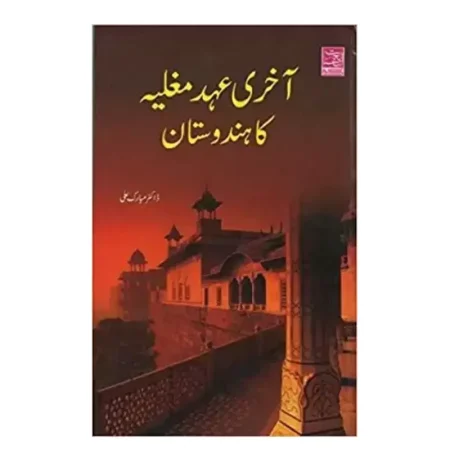
- Aakhri Ahd-E-Mughliya Ka Hindustan Dr Mubarak Ali Al Hasanat (Urdu)
2 in stock
1 in stock
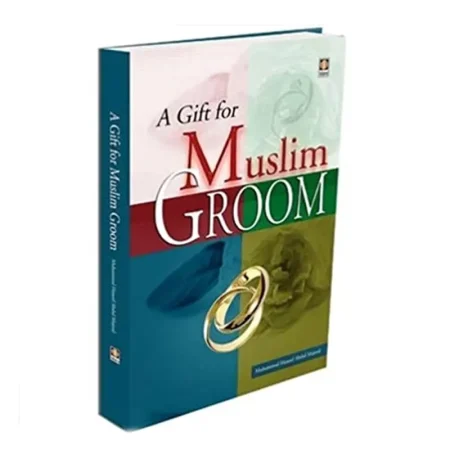
- Hardcover
- Publisher: Unknown (January 1, 2013)
- Language: English
15 in stock
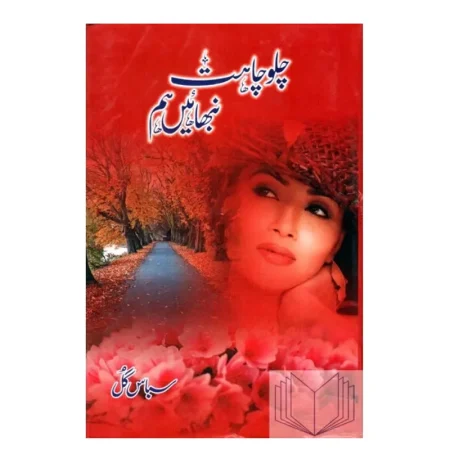
- Chalo Chahat Nibhae Hum ( Sabas Gul ) Pak Urdu
1 in stock

- A Gift For Muslim Bride & Groom Idara (English)
7 in stock
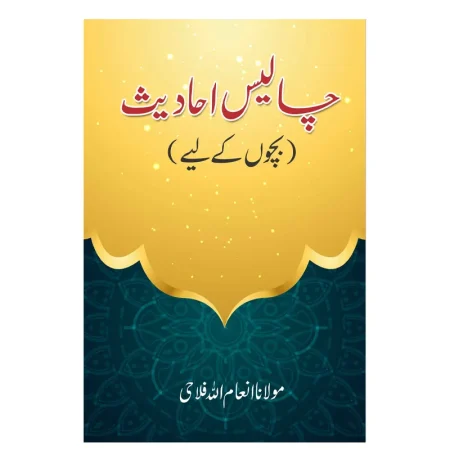
- Chalees Ahadees : Bachchon Ke Liye ( Maulana Inamullah Falahi ) Mmi Urdu
1 in stock
1 in stock

- Bin Roye Ansu ( Farhat Ishtiyaq ) Ilmo Irfan Urdu
1 in stock

- Paperback
- Publisher: Goodword Books
- Language: English
1 in stock
- 16 Surah Shareef Ibs Arabic/Urdu
1 in stock
- 26 Chabbis Suraten Mohd Yunus Ibn Hazrat Maulana Mohd Umar Sahab Palanpuri Ra) Farid Arabic/Urdu
24 in stock