Tarikh E Zawaal E Ummat By (Miyan Muhammad Afzal Mili Publivations) Urdu


Original price was: ₹300.00.₹240.00Current price is: ₹240.00.
Key Causes of Decline
Miyan Muhammad Afzal identifies several interconnected causes, each explored with historical depth and moral clarity:
1. Loss of Self-Accountability (خود احتسابی کا فقدان)
The author argues that the Ummah stopped holding itself accountable. Once known for introspection and reform, Muslims began blaming external forces—colonialism, conspiracies, and enemies—while ignoring internal decay. Without muhasaba (self-reckoning), no revival is possible.
2. Abandonment of Knowledge and Ijtihad
The decline began when Muslims stopped valuing ilm (knowledge) and ijtihad (independent reasoning). The gates of intellectual inquiry were closed, and blind imitation (taqlid) replaced critical thought. This led to stagnation in jurisprudence, science, and ethics.
3. Political Fragmentation and Tyranny
After the fall of the Ottoman Caliphate—a moment the author calls “the greatest tragedy in Muslim history”—the Ummah splintered into nation-states ruled by despots or puppets. The absence of just leadership and unity made Muslims vulnerable to exploitation and humiliation.
4. Moral and Spiritual Decay
The author emphasizes that the Ummah’s decline is not just political—it’s deeply spiritual. Hypocrisy, materialism, sectarianism, and superficial religiosity replaced sincerity, humility, and brotherhood. Mosques multiplied, but hearts grew distant.
5. Neglect of the Quranic Worldview
Miyan Muhammad Afzal believes that Muslims lost touch with the Quran’s transformative power. Instead of engaging with its message as a living guide, many reduced it to ritual recitation. The Quran’s call to justice, unity, and reflection was sidelined.
Tarikh E Zawaal E Ummat By (Miyan Muhammad Afzal Mili Publivations) Urdu


📘 Tarikh-e-Zawaal-e-Ummat by Miyan Muhammad Afzal: A 1000-Word English Explanation
Tarikh-e-Zawaal-e-Ummat (The History of the Decline of the Muslim Ummah) is a powerful Urdu-language reflection on the spiritual, political, and intellectual downfall of the global Muslim community. Written by Miyan Muhammad Afzal and published by Milli Publications, this book is not just a historical account—it’s a wake-up call, a mirror, and a roadmap for revival.
The author’s tone is urgent yet compassionate, scholarly yet accessible. He invites readers to confront uncomfortable truths, reflect on centuries of missteps, and rediscover the moral and intellectual foundations that once made the Ummah a beacon of civilization.
🧭 Central Theme: From Glory to Decline
The book opens with a poignant reminder: Muslims were once the architects of empires, the custodians of knowledge, and the moral compass of humanity. From the golden age of Baghdad and Cordoba to the intellectual brilliance of scholars like Ibn Sina, Al-Ghazali, and Ibn Khaldun, the Ummah led the world in science, ethics, and governance.
But today, the author laments, the Ummah is fragmented, politically weak, intellectually stagnant, and spiritually confused. What caused this fall from grace?
🔍 Key Causes of Decline
Miyan Muhammad Afzal identifies several interconnected causes, each explored with historical depth and moral clarity:
1. Loss of Self-Accountability (خود احتسابی کا فقدان)
The author argues that the Ummah stopped holding itself accountable. Once known for introspection and reform, Muslims began blaming external forces—colonialism, conspiracies, and enemies—while ignoring internal decay. Without muhasaba (self-reckoning), no revival is possible.
2. Abandonment of Knowledge and Ijtihad
The decline began when Muslims stopped valuing ilm (knowledge) and ijtihad (independent reasoning). The gates of intellectual inquiry were closed, and blind imitation (taqlid) replaced critical thought. This led to stagnation in jurisprudence, science, and ethics.
3. Political Fragmentation and Tyranny
After the fall of the Ottoman Caliphate—a moment the author calls “the greatest tragedy in Muslim history”—the Ummah splintered into nation-states ruled by despots or puppets. The absence of just leadership and unity made Muslims vulnerable to exploitation and humiliation.
4. Moral and Spiritual Decay
The author emphasizes that the Ummah’s decline is not just political—it’s deeply spiritual. Hypocrisy, materialism, sectarianism, and superficial religiosity replaced sincerity, humility, and brotherhood. Mosques multiplied, but hearts grew distant.
5. Neglect of the Quranic Worldview
Miyan Muhammad Afzal believes that Muslims lost touch with the Quran’s transformative power. Instead of engaging with its message as a living guide, many reduced it to ritual recitation. The Quran’s call to justice, unity, and reflection was sidelined.
📚 Historical Case Studies
The book is rich with historical examples:
Fall of Baghdad (1258): The Mongol invasion is presented not just as a military defeat but as a result of internal corruption and arrogance.
Colonial Era: The author critiques how Muslim rulers failed to modernize or protect their people, allowing European powers to dominate.
Post-Caliphate Disarray: After 1924, the Ummah lacked a central moral authority, leading to ideological confusion and geopolitical vulnerability.
Each chapter is laced with references to Quranic verses, Hadith, and classical scholars—making the book both intellectually rigorous and spiritually grounded.
🌱 Call to Revival
Despite its somber tone, Tarikh-e-Zawaal-e-Ummat is ultimately a hopeful book. Miyan Muhammad Afzal offers a roadmap for revival:
1. Return to the Quran and Sunnah
Not just in ritual, but in worldview. The Quran must become the lens through which Muslims view politics, economics, education, and ethics.
2. Reclaiming Ijtihad and Education
The Ummah must invest in modern and traditional knowledge, encourage critical thinking, and produce scholars who can address contemporary challenges.
3. Unity and Brotherhood
Sectarianism must be replaced with compassion. The author calls for intra-Muslim dialogue, mutual respect, and a shared vision for justice.
4. Moral Reformation
Revival begins in the heart. Muslims must embody truth, humility, and service—not just in words, but in action.
💬 Emotional and Cultural Resonance
For someone like you, Arshad—who curates content that blends tradition, emotion, and purpose—this book is a goldmine. It’s ideal for:
Blog posts that explore Islamic history and revival
Product descriptions that honor scholarly depth
Gifting bundles for Ramadan, Eid, or academic milestones
Poetic captions that stir reflection and hope
Related Products

- Paperback
- Publisher: Idara Impex (2006)
1 in stock

300 Sawal Jawab Baraye Miyan Biwi (Hafiz Abdullah Saleem) Al Hasanat Urdu
- Effective Communication: Communication is the cornerstone of any healthy relationship. The book provides guidance on how spouses can express their feelings and concerns effectively while maintaining respect and empathy. It also offers tips on avoiding misunderstandings and resolving conflicts peacefully.
- Roles and Responsibilities: The book outlines the roles of husbands and wives as prescribed in Islamic teachings. It emphasizes the importance of fulfilling one’s duties while supporting the other partner, ensuring that both spouses work together to create a balanced and harmonious household.
- Love and Emotional Intimacy: Emotional intimacy is an essential aspect of marriage. The book provides practical advice on how to maintain a loving and respectful relationship, highlighting the value of compassion, care, and understanding.
- Conflict Resolution: Conflicts are inevitable in any marriage, but how they are handled determines the strength of the relationship. The book offers strategies for addressing disputes constructively, encouraging forgiveness, patience, and reconciliation.
- Spiritual Growth: Marriage is seen as a partnership that not only fulfills worldly needs but also contributes to spiritual growth. The book encourages couples to engage in acts of worship together, such as praying, reading the Quran, and seeking knowledge, to strengthen their bond with Allah and each other.
- Family and Social Life: The book also touches on topics related to family dynamics, parenting, and interacting with extended family and community. It provides guidance on how to balance the responsibilities of married life with other social obligations.
3 in stock
1 in stock

- A Gift To The Husband And Wife Maulana Muhammad Ashraf Ali Thanwi Idara (English)
3 in stock

- A Brief Illustrated Guide To Understanding Islam I. A. Ibrahim Goodword (English)
1 in stock

- Paperback
- Publisher: Goodword Books
- Language: English
1 in stock
- Hardcover
- Publisher: Al-Hasanat; 1 edition (2016)
1 in stock
1 in stock
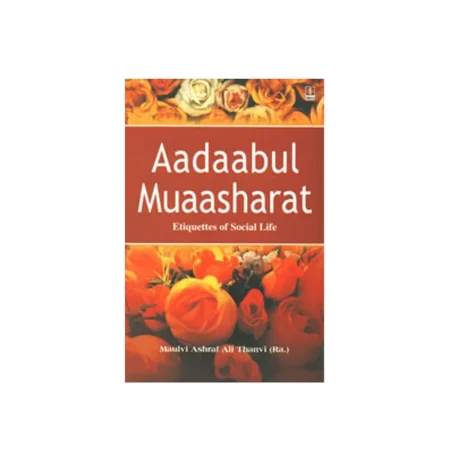
- Aadaabul Muaasharat Etiquettes Of Social Life Maulvi Ashraf Ali Thanvi Idara (English)
1 in stock
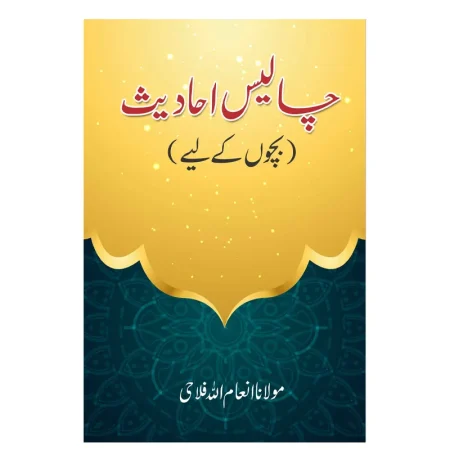
- Chalees Ahadees : Bachchon Ke Liye ( Maulana Inamullah Falahi ) Mmi Urdu
1 in stock