

Topi Indonesia Ram

Original price was: ₹280.00.₹150.00Current price is: ₹150.00.
- topi-indonesia-ram
- Tengkuluk
- Origin: The Tengkuluk is a traditional headscarf worn by women in various regions, including Sumatra and Kalimantan.
- Design: Made from colorful fabric, it is wrapped around the head in different styles, often adorned with floral or geometric patterns.
- Significance: The Tengkuluk is worn during traditional ceremonies, weddings, and cultural events. It represents femininity and cultural heritage.
- 4. Iket Sunda (Ikat Kepala)
- Origin: The Iket Sunda is traditional headwear from the Sundanese people of West Java.
- Design: It is a square piece of cloth, often with batik patterns, that is folded and tied around the head.
Topi Indonesia Ram
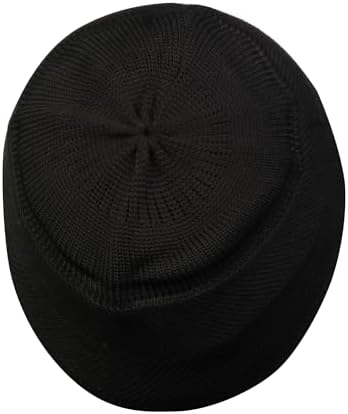
Topi Indonesia Ram
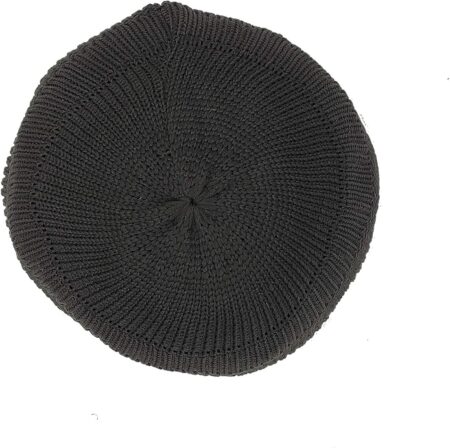
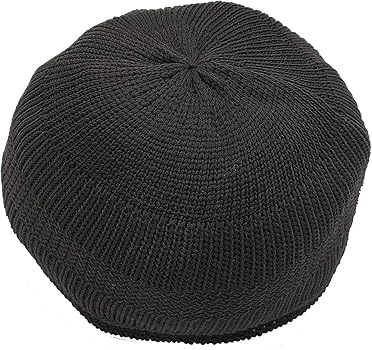
Indonesia, with its rich cultural heritage and diverse ethnic groups, boasts a variety of traditional headwear, each with its own unique significance and style. Here are some of the most notable traditional headwears found across the Indonesian archipelago:
1. Blangkon
Origin: The Blangkon is a traditional Javanese headgear, commonly worn by men in Central Java, Yogyakarta, and East Java.
Design: It is a type of batik-covered cap, typically made from batik fabric. The design often includes intricate patterns and vibrant colors.
Significance: The Blangkon is worn during formal occasions, traditional ceremonies, and cultural events. It symbolizes Javanese identity and pride.
2. Peci (Songkok)
Origin: The Peci, also known as Songkok, is widely worn across Indonesia, particularly by Muslim men.
Design: It is a simple, black velvet cap that sits on top of the head. Variations in materials and decorations exist.
Significance: The Peci is commonly worn during religious activities, such as prayers and Islamic celebrations, as well as national events. It is a symbol of modesty and respect.
3. Tengkuluk
Origin: The Tengkuluk is a traditional headscarf worn by women in various regions, including Sumatra and Kalimantan.
Design: Made from colorful fabric, it is wrapped around the head in different styles, often adorned with floral or geometric patterns.
Significance: The Tengkuluk is worn during traditional ceremonies, weddings, and cultural events. It represents femininity and cultural heritage.
4. Iket Sunda (Ikat Kepala)
Origin: The Iket Sunda is traditional headwear from the Sundanese people of West Java.
Design: It is a square piece of cloth, often with batik patterns, that is folded and tied around the head.
Significance: The Iket Sunda is worn by men during cultural performances, ceremonies, and daily activities. It symbolizes Sundanese identity and cultural pride.
5. Samping
Origin: The Samping is a traditional headcloth worn by the people of Bali.
Design: It is a long piece of cloth that is wrapped and tied around the head, often featuring intricate patterns and bright colors.
Significance: The Samping is worn by both men and women during religious rituals, ceremonies, and traditional dances. It represents Balinese culture and spirituality.
Cultural Significance of Traditional Headwear
Symbol of Identity
Traditional headwear in Indonesia serves as a symbol of ethnic and regional identity. Each type of headgear reflects the cultural heritage and traditions of the community it belongs to.
Status and Respect
Wearing traditional headwear often signifies respect for cultural practices and traditions. It is worn during significant events such as weddings, religious ceremonies, and cultural festivals to honor and uphold tradition.
Artistic Expression
The design and craftsmanship of traditional headwear showcase the artistry and creativity of Indonesian artisans. Intricate patterns, vibrant colors, and detailed embroidery are hallmarks of these headpieces.
Spiritual and Religious Significance
For many Indonesians, traditional headwear holds spiritual and religious significance. It is worn during religious rituals and ceremonies to symbolize piety, devotion, and reverence.
Modern Adaptations and Usage
While traditional headwear remains an important aspect of cultural heritage, modern adaptations have also emerged. Contemporary fashion designers and cultural enthusiasts incorporate traditional elements into modern attire, ensuring that these cultural symbols remain relevant in today’s society.
Conclusion
Related Products
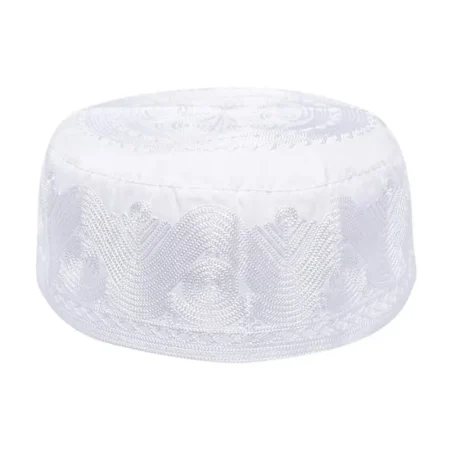
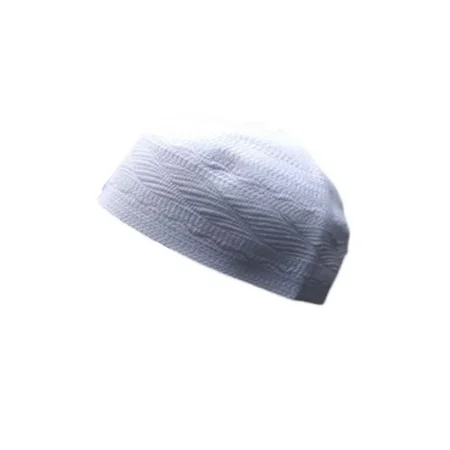
- Comfortable in its make and breathable
- Aesthetic design
- Easy to maintain
- Actual Product May Differ from The Image
- Best quality and easy to clean
15 in stock
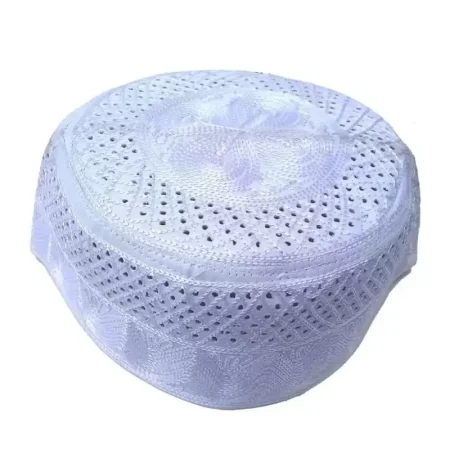
- Comfortable in its make and breathable
- Aesthetic design
- Easy to maintain
- Actual Product May Differ from The Image
- Best quality and easy to clean
1 in stock
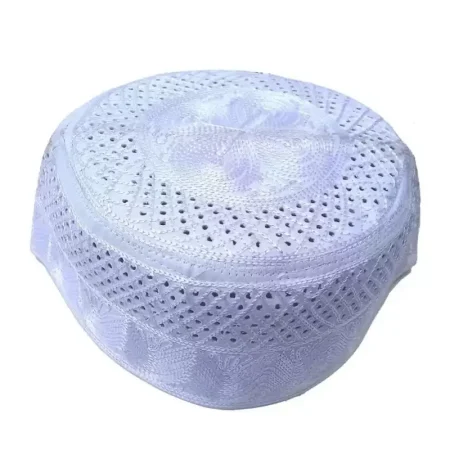
- Comfortable in its make and breathable
- Aesthetic design
- Easy to maintain
- Actual Product May Differ from The Image
- Best quality and easy to clean
1 in stock
3 in stock
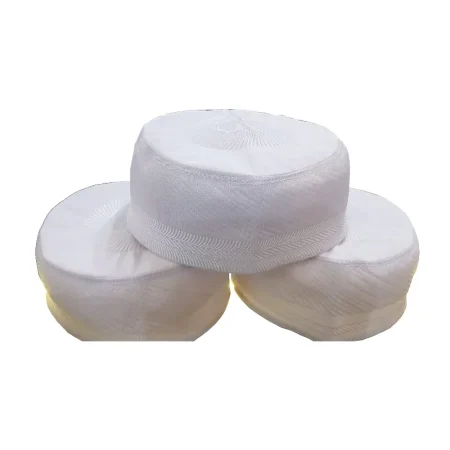
- Comfortable in its make and breathable
- Aesthetic design
- Easy to maintain
- Actual Product May Differ from The Image
- Best quality and easy to clean
1 in stock
2 in stock
2 in stock
1 in stock

- Comfortable in its make and breathable
- Aesthetic design
- Easy to maintain
- Actual Product May Differ from The Image
- Best quality and easy to clean
2 in stock
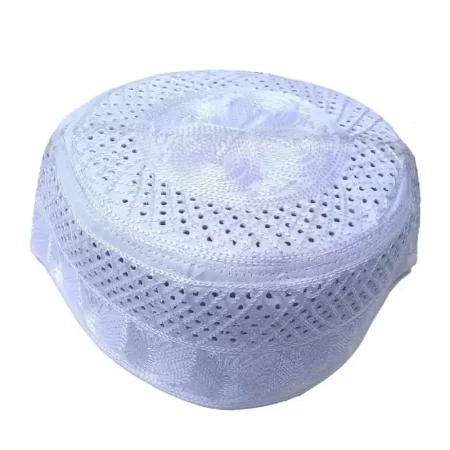
- Comfortable in its make and breathable
- Aesthetic design
- Easy to maintain
- Actual Product May Differ from The Image
- Best quality and easy to clean
1 in stock
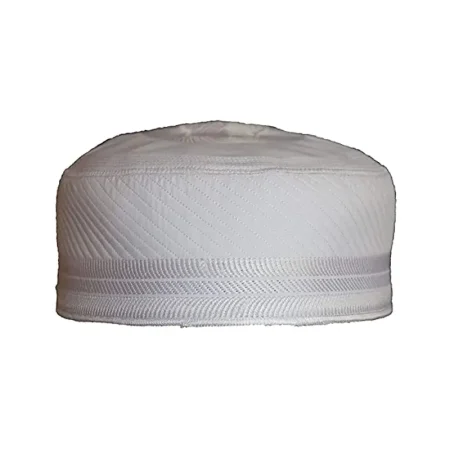
- Comfortable in its make and breathable
- Aesthetic design
- Easy to maintain
- Actual Product May Differ from The Image
- Best quality and easy to clean
9 in stock

- Comfortable in its make and breathable
- Aesthetic design
- Easy to maintain
- Actual Product May Differ from The Image
- Best quality and easy to clean
8 in stock