

The Bustan Of Sa Di (Sadi Shirazi Adam Publishers English


Original price was: ₹180.00.₹140.00Current price is: ₹140.00.
- Philosophical and Ethical Insights
- ✅ Justice and Leadership
- Saadi opens The Bustan with reflections on justice, emphasizing that rulers must govern with fairness and compassion. He writes:
- “A tyrant’s reign is short-lived, but the memory of justice endures.”
- This chapter is a treasure trove for those studying Islamic political ethics, offering timeless guidance for leaders and policymakers.
- ✅ Benevolence and Charity
- Saadi’s stories highlight the virtue of giving without expectation, portraying charity as a path to divine proximity. He often contrasts the generosity of the poor with the indifference of the wealthy, urging readers to cultivate empathy and selflessness.
- ✅ Love and Human Connection
- Love, in Saadi’s view, is both earthly and divine. He explores romantic love, friendship, and spiritual longing, showing how love can elevate the soul and soften the heart. His verses echo the Sufi tradition, where love is the bridge between the seeker and the Divine.
- ✅ Humility and Self-Reflection
- Saadi warns against arrogance and pride, using stories of kings humbled by beggars and scholars corrected by children. His message is clear: true greatness lies in humility, and wisdom begins with recognizing one’s limitations.
- ✅ Contentment and Simplicity
The Bustan Of Sa Di (Sadi Shirazi Adam Publishers English

🌿 The Bustan of Saadi Shirazi – A Garden of Ethical Wisdom and Poetic Grace
The Bustan (Persian: بوستان), meaning “The Orchard,” is one of the two magnum opuses of Sheikh Saadi Shirazi, the 13th-century Persian poet, philosopher, and moralist. Completed in 1257 CE, this poetic masterpiece is a lush garden of ethical reflections, spiritual insights, and worldly wisdom. While Saadi’s Gulistan is known for its prose interspersed with verse, The Bustan is composed entirely in rhyming couplets (mathnawi), offering a rhythmic and lyrical journey through the moral landscape of Islamic civilization.
The English edition by Adam Publishers, bound in hardcover, brings this timeless classic to a global audience, making it accessible to students, scholars, and seekers of wisdom alike.
🖋️ About the Author: Sheikh Saadi Shirazi
Saadi (c. 1210–1291) was born in Shiraz, Iran, and educated in Baghdad at the famed Nizamiyya Academy, where he studied Islamic sciences, literature, and philosophy. His life was marked by extensive travel across the Islamic world—from Anatolia and Syria to India and Central Asia—experiences that deeply informed his writing.
🧠 Philosophical and Ethical Insights
✅ Justice and Leadership
Saadi opens The Bustan with reflections on justice, emphasizing that rulers must govern with fairness and compassion. He writes:
“A tyrant’s reign is short-lived, but the memory of justice endures.”
This chapter is a treasure trove for those studying Islamic political ethics, offering timeless guidance for leaders and policymakers.
✅ Benevolence and Charity
Saadi’s stories highlight the virtue of giving without expectation, portraying charity as a path to divine proximity. He often contrasts the generosity of the poor with the indifference of the wealthy, urging readers to cultivate empathy and selflessness.
✅ Love and Human Connection
Love, in Saadi’s view, is both earthly and divine. He explores romantic love, friendship, and spiritual longing, showing how love can elevate the soul and soften the heart. His verses echo the Sufi tradition, where love is the bridge between the seeker and the Divine.
✅ Humility and Self-Reflection
Saadi warns against arrogance and pride, using stories of kings humbled by beggars and scholars corrected by children. His message is clear: true greatness lies in humility, and wisdom begins with recognizing one’s limitations.
✅ Contentment and Simplicity
In a world obsessed with wealth and status, Saadi’s call for contentment is refreshingly countercultural. He praises the simple life, the joy of sufficiency, and the peace that comes from detachment.
🎨 Literary Style and Language
Written in Persian mathnawi, The Bustan is a rhythmic and musical experience. The English translation by Adam Publishers preserves this lyrical quality while ensuring clarity and accessibility. Saadi’s style is:
Elegant yet direct
Rich in metaphor and allegory
Infused with humor, irony, and moral clarity
His poetic license allows for creative wordplay, and his verses often contain double meanings that reward careful reading.
🌍 Cultural and Historical Significance
The Bustan is not just a literary work—it’s a cultural artifact. It was widely taught in maktabs (traditional schools) across the Islamic world, memorized by students, and quoted by scholars and statesmen. Its influence spans:
Persian, Urdu, and Turkish literature
Islamic ethical philosophy
Sufi spiritual practice
In India, The Bustan was part of the classical curriculum, shaping generations of thinkers and poets. Its themes resonate with Iqbal’s philosophy, Akbar Allahabadi’s satire, and the broader tradition of ethical storytelling in Islamic pedagogy
Related Products

- A Politico-Cultural Study Of The Great Mughuls (1526-1707) Dr. Muhammad Qamaruddin Adam Publishers (English)
1 in stock

- A Gift To The Husband And Wife Maulana Muhammad Ashraf Ali Thanwi Idara (English)
3 in stock
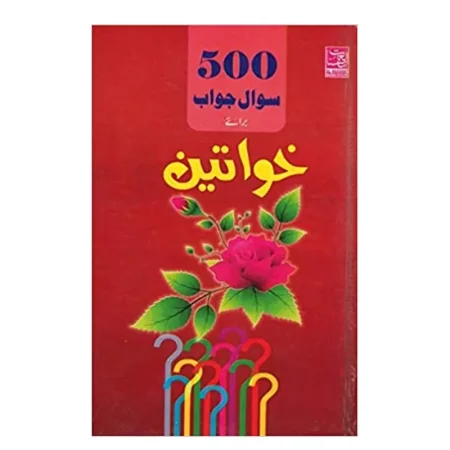
- Hardcover
- Publisher: Al-Hasanat; 1 edition (2016)
1 in stock

- Aakhri Ahd-E-Mughliya Ka Hindustan Dr Mubarak Ali Al Hasanat (Urdu)
2 in stock

- A Gift For Muslim Bride & Groom Idara (English)
7 in stock
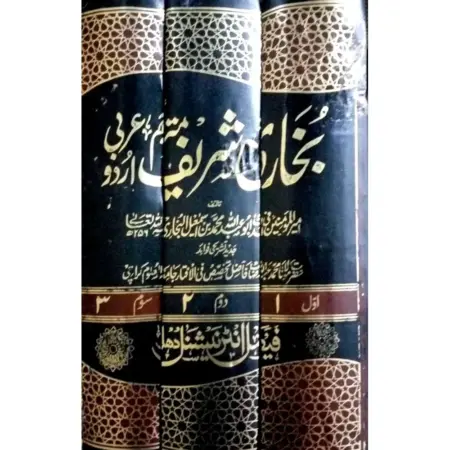
1 in stock
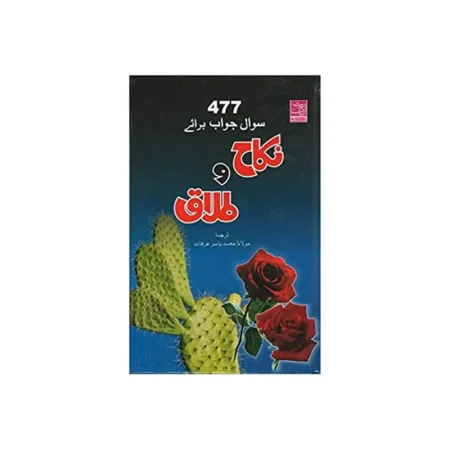
- Hardcover
- Publisher:?Al-Hasanat; 1 edition (2014)
1 in stock

- Paperback
- Publisher: Idara Impex (2006)
1 in stock
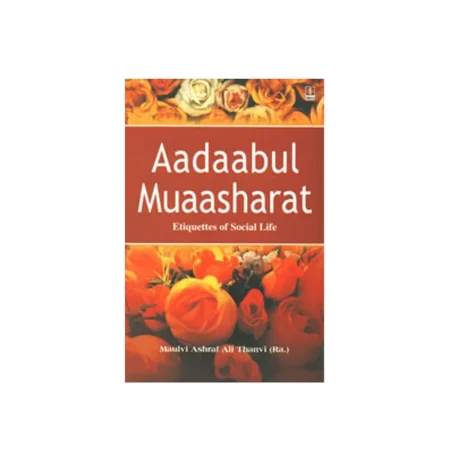
- Aadaabul Muaasharat Etiquettes Of Social Life Maulvi Ashraf Ali Thanvi Idara (English)
1 in stock
- Chalo Chahat Nibhae Hum ( Sabas Gul ) Pak Urdu
1 in stock

- A Gift For Muslim Women Maulana Ashiq Iilahi Madani Idara (English)
9 in stock

- Paperback
- Publisher: Idara impex (2006)
- Language: English
14 in stock