

Shikwah Jawab E Shikwah By Allama Muhammad Iqbal (Al Hasanat) Urdu


₹50.00
- Key themes:
- Why are Muslims suffering despite centuries of devotion?
- Why does divine help seem absent today?
- Why are non-believers thriving while the ummah declines?
- Iqbal recounts the glorious past—the conquests, sacrifices, and spiritual achievements of Muslims—and contrasts it with the present humiliation. He laments:
- “Hum se duniya hai, hum se hai roshan zamane ka chehra,
Phir bhi hum hai musibat mein, yeh kya hai teri rehmat ka pehlu?” - (We lit the world with our faith, yet we suffer—what aspect of Your mercy is this?)
- The poem ends not in despair, but in a plea for divine attention.
- 2. Jawab-e-Shikwah – The Divine Response
- In Jawab-e-Shikwah, Iqbal shifts perspective. Now, Allah responds to the complaint—not with anger, but with wisdom and rebuke.
- Key themes:
Shikwah Jawab E Shikwah By Allama Muhammad Iqbal (Al Hasanat) Urdu


📘 Shikwah & Jawab-e-Shikwah – A Poetic Dialogue Between the Ummah and the Divine
Few works in Urdu literature have stirred hearts and minds like Shikwah (Complaint) and Jawab-e-Shikwah (Response to the Complaint) by Allama Iqbal. These poems, written in the early 20th century, are not just literary masterpieces—they are spiritual manifestos, emotional outcries, and calls to revival. Published by Al Hasanat in a beautifully bound Urdu hardback edition, this version preserves the elegance of Iqbal’s original while making it accessible to modern readers.
Iqbal’s poetic voice in these works is bold, intimate, and deeply philosophical. He dares to question God, only to receive a divine response that reshapes the Muslim psyche. Together, these poems form a dialogue of pain, hope, and awakening.
🕌 Historical Context: A Nation in Decline
Iqbal wrote Shikwah in 1909 and Jawab-e-Shikwah in 1913, during a time when Indian Muslims were politically marginalized, economically impoverished, and spiritually fragmented under British colonial rule. The Ottoman Empire was weakening, and the Muslim world was losing its global influence.
Iqbal, deeply moved by this decline, chose poetry as his weapon—not to incite rebellion, but to ignite self-awareness. He believed that Muslims had lost their connection to their spiritual roots and divine mission. These poems were his way of reviving the soul of the ummah.
📚 Structure and Themes
1. Shikwah – The Complaint
In Shikwah, Iqbal adopts the voice of a frustrated Muslim, addressing Allah directly. The tone is emotional, questioning, and at times confrontational.
Key themes:
Why are Muslims suffering despite centuries of devotion?
Why does divine help seem absent today?
Why are non-believers thriving while the ummah declines?
Iqbal recounts the glorious past—the conquests, sacrifices, and spiritual achievements of Muslims—and contrasts it with the present humiliation. He laments:
“Hum se duniya hai, hum se hai roshan zamane ka chehra,
Phir bhi hum hai musibat mein, yeh kya hai teri rehmat ka pehlu?”
(We lit the world with our faith, yet we suffer—what aspect of Your mercy is this?)
The poem ends not in despair, but in a plea for divine attention.
2. Jawab-e-Shikwah – The Divine Response
In Jawab-e-Shikwah, Iqbal shifts perspective. Now, Allah responds to the complaint—not with anger, but with wisdom and rebuke.
Key themes:
Muslims have abandoned the Qur’an and the Sunnah
They seek worldly power but neglect spiritual discipline
Divine help is earned through sincerity, not inherited
Allah reminds the ummah of its responsibility, not its entitlement. The tone is majestic, corrective, and empowering.
“Woh zamanay mein mo’azzaz thay Musalman ho kar,
Aur tum khwar huay taarek-e-Qur’an ho kar.”
(They were honored in the world because they were Muslims,
You are disgraced today because you abandoned the Qur’an.)
The poem ends with a promise of revival—if Muslims return to their spiritual roots, divine help will return.
🧠 Literary Brilliance and Emotional Power
Iqbal’s mastery of language is on full display:
Rhythmic flow and rhyme that stir the soul
Metaphors and historical references that evoke pride and pain
Qur’anic allusions that ground the poems in divine truth
His style is majestic yet intimate, philosophical yet accessible. He speaks to scholars and common people alike.
These poems are ideal for:
Urdu literature enthusiasts
Islamic educators and preachers
Youth seeking identity and purpose
Cultural events and poetic gatherings
📐 Format and Presentation by Al Hasanat
The Al Hasanat hardback edition is:
Elegantly bound, suitable for gifting and long-term preservation
Printed in refined Urdu script, with clear layout and headings
Includes footnotes and references, aiding comprehension
Ideal for study circles, libraries, and personal reflect
Related Products
- Parents : Islamic Rights & Responsibilities
1 in stock
- A Gift For Muslim Bride & Groom Idara (English)
7 in stock
- Publisher: Islamic Book Service (2014)
4 in stock

- A Brief Illustrated Guide To Understanding Islam I. A. Ibrahim Goodword (English)
1 in stock
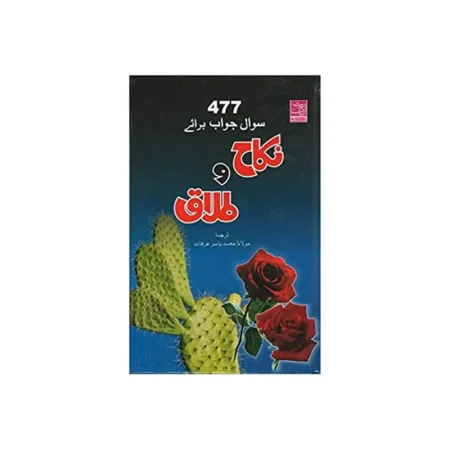
- Hardcover
- Publisher:?Al-Hasanat; 1 edition (2014)
1 in stock

- Paperback
- Publisher: Idara impex (2006)
- Language: English
14 in stock
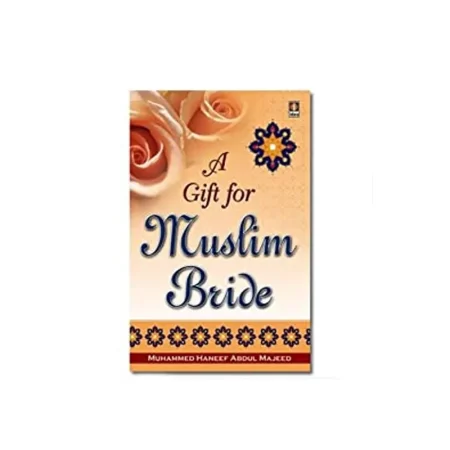
- Hardcover
- Publisher: Idara Impex (2014)
- Language: English
8 in stock

- Paperback
- Publisher: Idara Impex (2006)
1 in stock
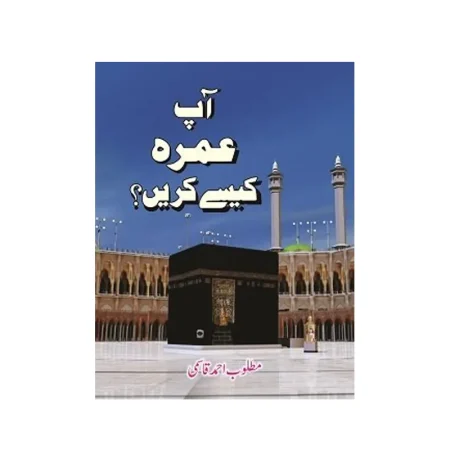
- Title: Aap Umrah Kaise Karen?
- Publisher: Islamic Book Services
47 in stock
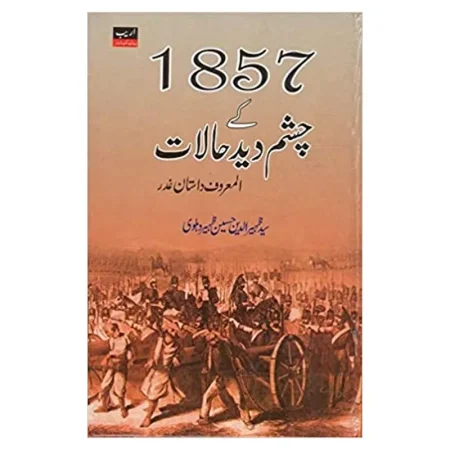
- 1857 Isvi Ke Chashmdeed Halat ( Maroof Dastane Gadar)
3 in stock
- Aadaabul Muaasharat Etiquettes Of Social Life Maulvi Ashraf Ali Thanvi Idara (English)
1 in stock