

Muslim Understanding Of Other Religions From Kitab Al Fazail Fi Milal Wa Al Ahwa Wa Al Nihalby Ghulam Haidar Aasi Adam Publishers English

Original price was: ₹595.00.₹448.00Current price is: ₹448.00.
- For Islamic Studies Programs:
- Ideal for courses on comparative religion, Islamic theology, and interfaith dialogue.
- Can be paired with works by Al-Ghazali, Shah Waliullah, and contemporary scholars.
- For Interfaith Circles:
- Offers a respectful framework for Muslim engagement with other faiths.
- Encourages dialogue based on mutual understanding and intellectual integrity.
- For Families & Youth:
- Can be adapted into discussion guides for teens exploring religious diversity.
- Encourages critical thinking and respectful discourse.
Muslim Understanding Of Other Religions From Kitab Al Fazail Fi Milal Wa Al Ahwa Wa Al Nihalby Ghulam Haidar Aasi Adam Publishers English


📘 Muslim Understanding of Other Religions
Author: Dr. Ghulam Haider Aasi
Publisher: Adam Publishers & Distributors
Language: English
Pages: ~231
Subject: Comparative Religion, Islamic Theology, Interfaith Studies
Based on: Ibn Hazm’s Kitab al-Fasl fi al-Milal wa al-Ahwa wa al-Nihal
Audience: Scholars, educators, students of Islamic thought, interfaith practitioners
🌟 Purpose & Vision
This book is a scholarly yet accessible study of how classical Islamic scholarship approached the understanding of other religions. Dr. Aasi focuses on the monumental work of Ibn Hazm al-Andalusi (d. 1064 CE), a polymath from Muslim Spain, whose Kitab al-Fasl remains one of the most rigorous and systematic texts in comparative religion from the Islamic tradition.
The book aims to:
Illuminate the intellectual depth of Muslim engagement with religious diversity.
Showcase Ibn Hazm’s method of critique and analysis.
Offer a framework for respectful, informed interfaith dialogue rooted in Islamic epistemology.
🧠 Core Themes & Structure
Dr. Aasi’s study is divided into thematic chapters that explore Ibn Hazm’s theological, philosophical, and historical approach to understanding other faiths. Each section is grounded in classical sources and contextualized for modern readers.
1. Historical Context of Ibn Hazm’s Work
Ibn Hazm lived in a pluralistic society in Andalusia, surrounded by Jews, Christians, and various Islamic sects.
His work reflects both polemical rigor and a deep commitment to truth-seeking.
Kitab al-Fasl was written not to mock, but to clarify and correct misconceptions.
2. Methodology of Comparative Religion
Ibn Hazm’s approach is rooted in logic (mantiq), textual analysis, and historical verification.
He insists on quoting original scriptures and doctrines rather than relying on hearsay.
His method is both analytical and ethical—he avoids distortion and emphasizes intellectual honesty.
3. Understanding Christianity
Ibn Hazm critiques the doctrine of Trinity, original sin, and the divinity of Jesus (AS).
He compares Biblical texts with Qur’anic narratives, highlighting theological divergences.
Dr. Aasi explains how Ibn Hazm’s tone is firm but respectful, aiming to clarify rather than condemn.
4. Understanding Judaism
Ibn Hazm engages with Jewish theology, law, and historical claims.
He examines the Torah’s textual integrity and the evolution of Jewish sects.
The book highlights Ibn Hazm’s admiration for Jewish scholarship, even while disagreeing with its conclusions.
5. Critique of Heretical Islamic Sects
Ibn Hazm also addresses internal diversity within Islam—Mu’tazilites, Khawarij, Shi’a, and others.
His critiques are theological, not personal, and aim to preserve orthodoxy.
Dr. Aasi contextualizes these debates for modern readers, emphasizing the importance of respectful disagreement.
6. Philosophical Foundations
Ibn Hazm’s ethics are rooted in divine revelation, not human speculation.
He critiques Greek philosophy when it contradicts Islamic principles.
The book explores how Ibn Hazm balances reason and revelation in his analysis.
7. Epistemology and Truth Claims
Ibn Hazm insists that truth must be based on verified sources and rational coherence.
He rejects blind imitation (taqlid) and encourages critical thinking.
Dr. Aasi shows how this epistemology can inform modern interfaith engagement.
✍️ Literary Style & Accessibility
Academic yet readable: Dr. Aasi’s prose is clear and structured, ideal for students and educators.
Contextualized analysis: Each concept is explained with historical background and contemporary relevance.
Balanced tone: The book avoids polemics, focusing instead on understanding and clarity.
🎓 Educational Applications
For Islamic Studies Programs:
Ideal for courses on comparative religion, Islamic theology, and interfaith dialogue.
Can be paired with works by Al-Ghazali, Shah Waliullah, and contemporary scholars.
For Interfaith Circles:
Offers a respectful framework for Muslim engagement with other faiths.
Encourages dialogue based on mutual understanding and intellectual integrity.
For Families & Youth:
Can be adapted into discussion guides for teens exploring religious diversity.
Encourages critical thinking and respectful discourse.
🎁 Gifting & Bundling Ideas
This book makes a thoughtful gift for:
Students of theology and comparative religion.
Educators and interfaith practitioners.
Libraries and Islamic institutions.
Related Products
- 16 Surah Shareef Ibs Arabic/Urdu
1 in stock
- Hardcover
- Publisher:?Al-Hasanat; 1 edition (2014)
1 in stock
- Parents : Islamic Rights & Responsibilities
1 in stock

- Paperback
- Publisher: Idara Impex (2006)
1 in stock
2 in stock
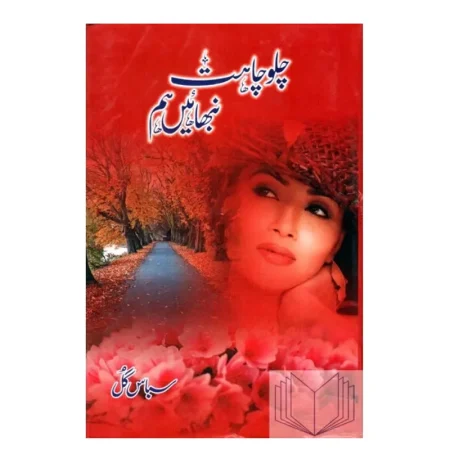
- Chalo Chahat Nibhae Hum ( Sabas Gul ) Pak Urdu
1 in stock

- Hardcover
- Publisher: Idara Impex (2014)
- Language: English
8 in stock
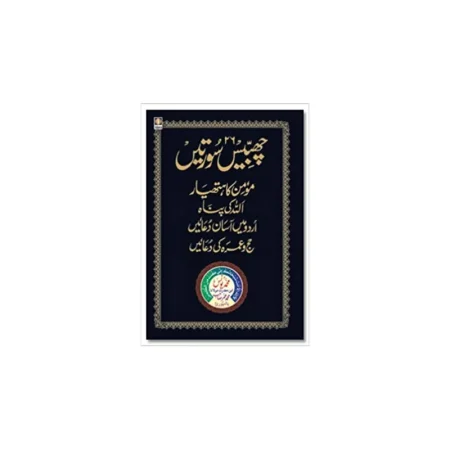
- 26 Chabbis Suraten Mohd Yunus Ibn Hazrat Maulana Mohd Umar Sahab Palanpuri Ra) Farid Arabic/Urdu
24 in stock
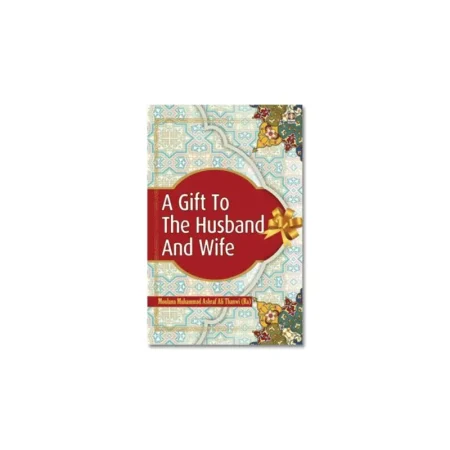
- A Gift To The Husband And Wife Maulana Muhammad Ashraf Ali Thanwi Idara (English)
3 in stock
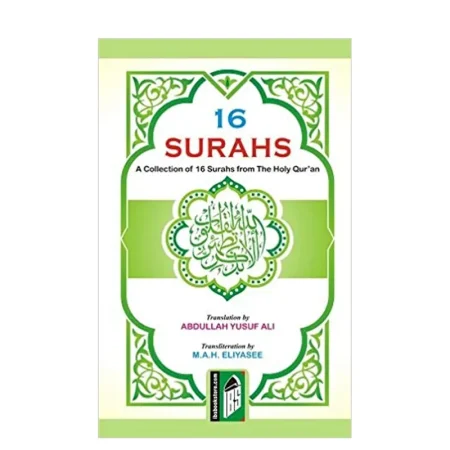
- Publisher: Islamic Book Service (2014)
4 in stock
- 40 Daily Prayers (Ibs) English/Arabic
2 in stock

- A Gift For Muslim Bride & Groom Idara (English)
7 in stock