

Juristic Differences & How To Resolve Them In An Islamic State By Amin Ahsan Islahi Adam Publishers English

Original price was: ₹395.00.₹299.00Current price is: ₹299.00.
- Key Themes and Ethical Insights
- ✅ Islam as a Religion of Peace
- Yahya begins by affirming that Islam literally means “peace” and “submission”. He cites verses such as:
- “God commands justice, the doing of good…” (Qur’an 16:90)
- He explains that Islam promotes:
- Compassion toward all living beings
- Forgiveness over vengeance
- Dialogue over conflict
- This foundational chapter sets the tone for a faith-centered rejection of violence.
- ✅ War and Self-Defense in the Qur’an
- Yahya clarifies that while Islam permits self-defense, it strictly prohibits:
- Aggression against innocents
- Targeting civilians
- Spreading fear and chaos
- He distinguishes between just war (jihad) and terrorism, showing that jihad is:
- Regulated by ethical principles
- Bound by justice and mercy
- Focused on defense, not domination
- This chapter is crucial for correcting misinterpretations of jihad used by extremists.
- ✅ The Real Face of Terrorists
- Yahya exposes how terrorist groups misuse Islamic symbols while violating its core teachings. He argues that:
- These groups are driven by political motives, not religious sincerity
- Their actions contradict the Prophet’s example of mercy and restraint
- They often emerge from ignorance, poverty, and ideological manipulation
Juristic Differences & How To Resolve Them In An Islamic State By Amin Ahsan Islahi Adam Publishers English


🕊️ Islam Denounces Terrorism – A Moral Manifesto Against Violence in the Name of Faith
Islam Denounces Terrorism by Harun Yahya (pen name of Adnan Oktar) is a powerful and timely book that confronts one of the most pressing misconceptions of our age: the false association of Islam with terrorism. Published in English by Adam Publishers, this book offers a clear, Qur’an-based rebuttal to extremist ideologies and affirms Islam’s true message of peace, compassion, and justice.
Written in the wake of global terror attacks—including 9/11 and subsequent violence in Europe and the Middle East—this book is both a spiritual defense and a moral appeal. It is ideal for educators, students, interfaith leaders, and anyone seeking clarity on Islam’s stance toward violence and extremism.
🖋️ About the Author: Harun Yahya (Adnan Oktar)
Harun Yahya is a prolific Turkish author known for his works on Islamic theology, science, and social issues. His books often blend:
Qur’anic exegesis
Scientific critique (especially of Darwinism)
Ethical analysis of modern ideologies
In Islam Denounces Terrorism, Yahya uses his signature style—lucid, persuasive, and accessible—to dismantle the ideological roots of terrorism and reaffirm Islam’s commitment to peace.
📖 Structure and Chapter Overview
The book spans approximately 168 pages and is organized into thematic chapters that guide the reader from spiritual foundations to contemporary challenges:
Islamic Morality: The Source of Peace and Security
War in the Qur’an
The Real Face of the Terrorists Who Act in the Name of Religion
Islam’s Outlook on the People of the Book
Islam’s Historical Role in Promoting Peace
The Real Roots of Terrorism: Darwinism and Materialism
Recommendations to the Western World and Muslims
Conclusion: A Call for Unity and Understanding
Each chapter is supported by Qur’anic verses, Hadith, and historical examples, making the book both spiritually grounded and intellectually robust.
🌿 Key Themes and Ethical Insights
✅ Islam as a Religion of Peace
Yahya begins by affirming that Islam literally means “peace” and “submission”. He cites verses such as:
“God commands justice, the doing of good…” (Qur’an 16:90)
He explains that Islam promotes:
Compassion toward all living beings
Forgiveness over vengeance
Dialogue over conflict
This foundational chapter sets the tone for a faith-centered rejection of violence.
✅ War and Self-Defense in the Qur’an
Yahya clarifies that while Islam permits self-defense, it strictly prohibits:
Aggression against innocents
Targeting civilians
Spreading fear and chaos
He distinguishes between just war (jihad) and terrorism, showing that jihad is:
Regulated by ethical principles
Bound by justice and mercy
Focused on defense, not domination
This chapter is crucial for correcting misinterpretations of jihad used by extremists.
✅ The Real Face of Terrorists
Yahya exposes how terrorist groups misuse Islamic symbols while violating its core teachings. He argues that:
These groups are driven by political motives, not religious sincerity
Their actions contradict the Prophet’s example of mercy and restraint
They often emerge from ignorance, poverty, and ideological manipulation
He warns against equating Islam with the actions of fringe groups, urging readers to differentiate between faith and fanaticism.
✅ Respect for the People of the Book
Islam’s treatment of Jews and Christians is a key theme. Yahya highlights:
Qur’anic verses that honor the People of the Book
Historical examples of Muslim rulers protecting minorities
The Prophet’s treaties with Jewish and Christian tribes
This chapter reinforces Islam’s inclusive spirit, countering narratives of religious intolerance.
✅ Islam’s Historical Role in Promoting Peace
Yahya presents Islam’s legacy as a civilizational force for harmony, citing:
The Golden Age of Islamic Spain, where Muslims, Jews, and Christians coexisted
The Ottoman millet system, which safeguarded religious diversity
The Prophet’s peaceful conquest of Mecca, marked by forgiveness
These examples show that Islam, when practiced authentically, fosters pluralism and justice.
✅ The Ideological Roots of Terrorism
In a bold and controversial chapter, Yahya links terrorism to Darwinism and materialism, arguing that:
These ideologies promote survival of the fittest, justifying violence
They erode spiritual values, leading to moral decay
Extremists often adopt nihilistic worldviews, not religious ethics
While this thesis invites debate, Yahya’s goal is to recenter morality and divine purpose in human affairs.
✅ Recommendations for Muslims and the West
Yahya concludes with practical advice:
Muslims must educate themselves, reject extremism, and uphold the Prophet’s example
Western societies should engage with authentic Islamic scholarship, not media stereotypes
Both sides must collaborate in ideological struggle against terrorism
He calls for interfaith dialogue, media responsibility, and spiritual renewal.
🎨 Language and Accessibility
The book’s style is:
Clear and persuasive, suitable for general readers
Rich in Qur’anic references, making it spiritually grounded
Emotionally resonant, appealing to conscience and reason
It avoids academic jargon, making it ideal for:
Youth education programs
Interfaith workshops
Community outreach initiatives
Related Products

- Paperback
- Publisher: Idara Impex (2006)
1 in stock
- Hardcover
- Publisher: Unknown (January 1, 2013)
- Language: English
15 in stock

- 26 Chabbis Surtein Momin Ka Hathyar Allah Ki Panah Muhammad Yunus Idara (Urdu)
25 in stock
- 1857 Isvi Ke Chashmdeed Halat ( Maroof Dastane Gadar)
3 in stock

2 in stock
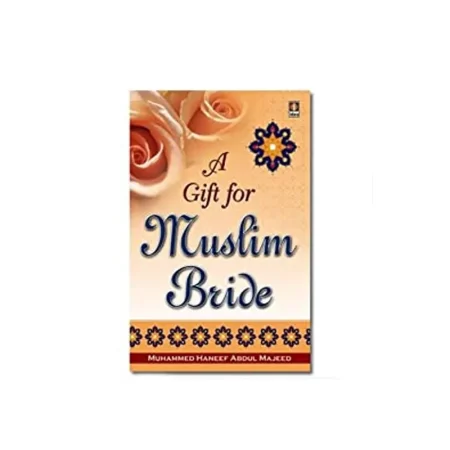
- Hardcover
- Publisher: Idara Impex (2014)
- Language: English
8 in stock
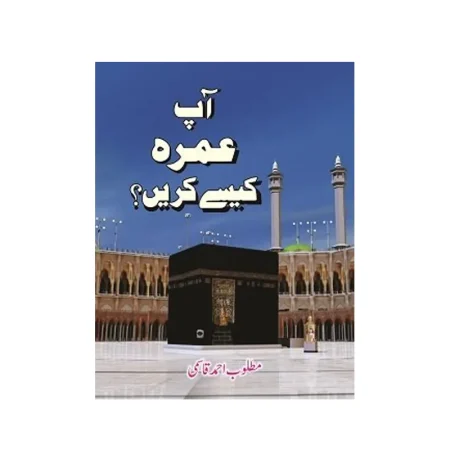
- Title: Aap Umrah Kaise Karen?
- Publisher: Islamic Book Services
47 in stock

- Paperback
- Publisher: Goodword Books
- Language: English
1 in stock

- Bin Roye Ansu ( Farhat Ishtiyaq ) Ilmo Irfan Urdu
1 in stock
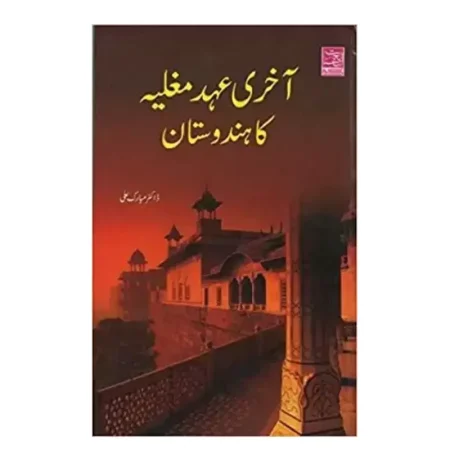
- Aakhri Ahd-E-Mughliya Ka Hindustan Dr Mubarak Ali Al Hasanat (Urdu)
2 in stock

- A Brief Illustrated Guide To Understanding Islam I. A. Ibrahim Goodword (English)
1 in stock