

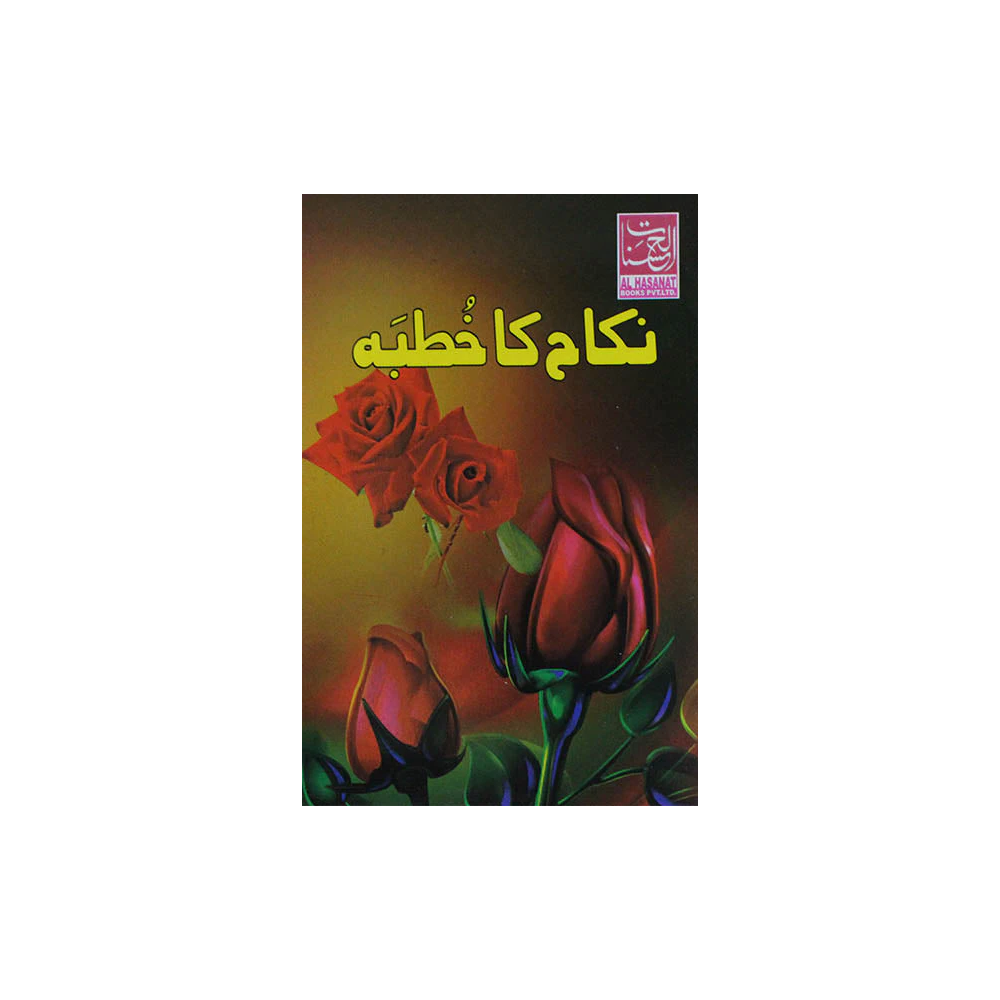
Gharibi Hatao By M Abudlah (Al Hasant) Urdu (Pb)

₹20.00
- Structure and Themes
- The book is organized into thematic chapters that explore:
- 1. Causes of Poverty
- Abdullah identifies both external and internal factors, including:
- Economic exploitation
- Lack of education
- Social injustice
- Neglect of zakat and waqf systems
- Materialism and hoarding
- He critiques modern capitalism while also urging Muslims to self-reflect on their role in perpetuating inequality.
- 2. Islamic Economic Principles
- This section is a highlight for readers interested in faith-based economics. Topics include:
- Zakat as a redistributive tool
- Sadaqah and Qard-e-Hasan (benevolent loans)
- Waqf institutions and their historical role
- Prohibition of riba (interest) and its impact on poverty
- Abdullah argues that if these principles were revived and implemented, poverty could be drastically reduced.
- 3. Historical Models of Poverty Alleviation
- Drawing from Islamic history, the author presents:
- The welfare policies of Umar ibn al-Khattab (RA)
- The social justice of Ali ibn Abi Talib (RA)
- The charitable networks of the Ottoman Empire
- The role of madrasahs and khanqahs in supporting the poor
- These examples serve as blueprints for modern reform, showing that Islamic civilization has long prioritized economic justice.
- 4. Contemporary Challenges
- Abdullah doesn’t shy away from addressing modern issues:
- Urban poverty and slums
- Unemployment and underemployment
- Corruption in charitable institutions
- Misuse of zakat funds
- Government apathy and failed welfare schemes
Gharibi Hatao By M Abudlah (Al Hasant) Urdu (Pb)

Gharibi Hatao – Islamic Reflections on Poverty and Social Justice
The title Gharibi Hatao (Remove Poverty) echoes a familiar slogan, but the book goes far deeper—moving beyond political rhetoric to present a moral and spiritual roadmap for poverty alleviation.
🕋 The Islamic View of Poverty
The book opens with a foundational discussion on how Islam views poverty. M. Abdullah draws from:
Qur’anic verses that emphasize care for the poor (faqeer, miskin)
Prophetic traditions that elevate charity (sadaqah, zakat) as a pillar of faith
Historical examples from the era of the Prophet ﷺ and the Khulafa-e-Rashideen
He reminds readers that poverty is not just an economic condition—it is a test of society’s moral fabric. The Qur’an repeatedly urges believers to:
“Feed the hungry, clothe the naked, and uplift the downtrodden.”
This sets the tone for the rest of the book: poverty is a collective responsibility, not just a personal misfortune.
📚 Structure and Themes
The book is organized into thematic chapters that explore:
1. Causes of Poverty
Abdullah identifies both external and internal factors, including:
Economic exploitation
Lack of education
Social injustice
Neglect of zakat and waqf systems
Materialism and hoarding
He critiques modern capitalism while also urging Muslims to self-reflect on their role in perpetuating inequality.
2. Islamic Economic Principles
This section is a highlight for readers interested in faith-based economics. Topics include:
Zakat as a redistributive tool
Sadaqah and Qard-e-Hasan (benevolent loans)
Waqf institutions and their historical role
Prohibition of riba (interest) and its impact on poverty
Abdullah argues that if these principles were revived and implemented, poverty could be drastically reduced.
3. Historical Models of Poverty Alleviation
Drawing from Islamic history, the author presents:
The welfare policies of Umar ibn al-Khattab (RA)
The social justice of Ali ibn Abi Talib (RA)
The charitable networks of the Ottoman Empire
The role of madrasahs and khanqahs in supporting the poor
These examples serve as blueprints for modern reform, showing that Islamic civilization has long prioritized economic justice.
4. Contemporary Challenges
Abdullah doesn’t shy away from addressing modern issues:
Urban poverty and slums
Unemployment and underemployment
Corruption in charitable institutions
Misuse of zakat funds
Government apathy and failed welfare schemes
He calls for grassroots activism, transparent institutions, and faith-driven leadership to tackle these challenges.
🧠 Intellectual Depth with Emotional Resonance
What sets Gharibi Hatao apart is its blend of scholarship and empathy. M. Abdullah writes not as a distant economist, but as a believer deeply concerned with the dignity of the poor. His tone is:
Compassionate, urging readers to see poverty through the eyes of the oppressed
Practical, offering actionable solutions
Spiritually grounded, reminding readers that helping the poor is a path to divine mercy
This makes the book ideal for:
Islamic educators and preachers
Social workers and activists
Students of Islamic economics
Families seeking to instill values of generosity
📐 Format and Accessibility
The paperback edition by Al Hasanat is:
Compact and lightweight, ideal for daily reading or distribution
Printed in clear Urdu font, suitable for all age groups
Affordable, making it accessible for mass gifting or community programs
Its simplicity is its strength—it’s designed to reach the grassroots, not just academic circles.
🎁 Gifting and Bundling Potential
This book makes a thoughtful gift for:
Ramadan charity campaigns
Zakat awareness drives
Nikah and housewarming bundles
Islamic school libraries
You could pair it with:
Zakat calculation guides
Books on Islamic finance
Dua booklets for sustenance
Tasbeeh sets and sadaqah boxes
Poetic Urdu captions for marketing might include:
“غربت کا خاتمہ، ایمان کی روشنی سے—ایک کتاب، ایک پیغام، ایک انقلاب”
“Ending poverty through the light of faith—one book, one message, one movement.”
🕌 Cultural and Spiritual Relevance
In South Asian culture, poverty is often seen but rarely addressed with systemic clarity. This book offers:
A faith-based framework for understanding poverty
A call to action for individuals and institutions
A reminder of the Prophetic legacy of compassion and justice
Related Products
- A Gift To The Husband And Wife Maulana Muhammad Ashraf Ali Thanwi Idara (English)
3 in stock

- Paperback
- Publisher: Idara Impex (2006)
1 in stock


- Paperback
- Publisher: Goodword Books
- Language: English
1 in stock
- 26 Chabbis Suraten Mohd Yunus Ibn Hazrat Maulana Mohd Umar Sahab Palanpuri Ra) Farid Arabic/Urdu
24 in stock

- Hardcover
- Publisher:?Al-Hasanat; 1 edition (2014)
1 in stock
- Aakhri Ahd-E-Mughliya Ka Hindustan Dr Mubarak Ali Al Hasanat (Urdu)
2 in stock

- 16 Surah Shareef Ibs Arabic/Urdu
1 in stock
- A Politico-Cultural Study Of The Great Mughuls (1526-1707) Dr. Muhammad Qamaruddin Adam Publishers (English)
1 in stock
1 in stock
300 Sawal Jawab Baraye Miyan Biwi (Hafiz Abdullah Saleem) Al Hasanat Urdu
- Effective Communication: Communication is the cornerstone of any healthy relationship. The book provides guidance on how spouses can express their feelings and concerns effectively while maintaining respect and empathy. It also offers tips on avoiding misunderstandings and resolving conflicts peacefully.
- Roles and Responsibilities: The book outlines the roles of husbands and wives as prescribed in Islamic teachings. It emphasizes the importance of fulfilling one’s duties while supporting the other partner, ensuring that both spouses work together to create a balanced and harmonious household.
- Love and Emotional Intimacy: Emotional intimacy is an essential aspect of marriage. The book provides practical advice on how to maintain a loving and respectful relationship, highlighting the value of compassion, care, and understanding.
- Conflict Resolution: Conflicts are inevitable in any marriage, but how they are handled determines the strength of the relationship. The book offers strategies for addressing disputes constructively, encouraging forgiveness, patience, and reconciliation.
- Spiritual Growth: Marriage is seen as a partnership that not only fulfills worldly needs but also contributes to spiritual growth. The book encourages couples to engage in acts of worship together, such as praying, reading the Quran, and seeking knowledge, to strengthen their bond with Allah and each other.
- Family and Social Life: The book also touches on topics related to family dynamics, parenting, and interacting with extended family and community. It provides guidance on how to balance the responsibilities of married life with other social obligations.
3 in stock