

Barre Saghir Me Iim E Fiqh By (Muhammad Ishq Bhatti Al Balagh) Urdu


Original price was: ₹450.00.₹360.00Current price is: ₹360.00.
- Structure and Themes
- The book spans over 390 pages and is divided into thematic chapters that cover:
- 1. Definition and Scope of Fiqh
- Bhatti begins by explaining the meaning of Fiqh—its linguistic roots, technical definition, and its role in shaping Muslim life. He distinguishes between:
- Fiqh (understanding of law)
- Shari’ah (divine law)
- Usul al-Fiqh (principles of jurisprudence)
- This foundational clarity sets the tone for the rest of the book.
- 2. Sources of Fiqh
- The author outlines the classical sources:
- Qur’an
- Sunnah
- Ijma’ (consensus)
- Qiyas (analogical reasoning)
- He also discusses Ijtihad (independent reasoning) and its role in adapting Islamic law to new contexts.
- 3. Arrival of Fiqh in South Asia
- Bhatti traces the arrival of Islamic jurisprudence with the early Muslim conquests, especially during the Delhi Sultanate and Mughal Empire. He highlights:
- The role of Qazis and Muftis
- Establishment of madrasahs and legal institutions
- Translation of Arabic texts into Persian and later Urdu
- This section is rich with historical anecdotes and scholarly profiles.
- 4. Major Schools and Their Influence
- The book focuses primarily on the Hanafi school, which became dominant in South Asia. Bhatti explains:
- Why Hanafi Fiqh suited the region’s diversity
- How it was taught and codified
- The role of Fatwa literature in guiding communities
- He also briefly touches on other schools (Shafi’i, Maliki, Hanbali) and their limited but notable presence.
- 5. Prominent Scholars and Their Contributions
- This is the heart of the book. Bhatti profiles legendary South Asian jurists such as:
- Shah Waliullah Dehlavi – who bridged classical and reformist thought
- Maulana Ashraf Ali Thanwi – author of Bahishti Zewar and Imdad al-Fatawa
- Maulana Shibli Nomani – historian and reformer
- Maulana Abdul Hai Lakhnawi – compiler of Al-Athar al-Marfu‘a
Out of stock
Barre Saghir Me Iim E Fiqh By (Muhammad Ishq Bhatti Al Balagh) Urdu


📘 Barre Saghir Mein Ilm-e-Fiqh – A Chronicle of Islamic Jurisprudence in South Asia
🕋 The Purpose Behind the Book
Bhatti’s mission is clear: to trace the development of Fiqh in the Indian subcontinent, from its earliest roots to its institutional maturity. He explores how Islamic law was taught, practiced, and adapted in response to changing political, cultural, and social realities.
This book serves as:
A reference guide for students and researchers
A tribute to South Asian fuqaha (jurists)
A tool for understanding how Islamic law evolved in a pluralistic society
📚 Structure and Themes
The book spans over 390 pages and is divided into thematic chapters that cover:
1. Definition and Scope of Fiqh
Bhatti begins by explaining the meaning of Fiqh—its linguistic roots, technical definition, and its role in shaping Muslim life. He distinguishes between:
Fiqh (understanding of law)
Shari’ah (divine law)
Usul al-Fiqh (principles of jurisprudence)
This foundational clarity sets the tone for the rest of the book.
2. Sources of Fiqh
The author outlines the classical sources:
Qur’an
Sunnah
Ijma’ (consensus)
Qiyas (analogical reasoning)
He also discusses Ijtihad (independent reasoning) and its role in adapting Islamic law to new contexts.
3. Arrival of Fiqh in South Asia
Bhatti traces the arrival of Islamic jurisprudence with the early Muslim conquests, especially during the Delhi Sultanate and Mughal Empire. He highlights:
The role of Qazis and Muftis
Establishment of madrasahs and legal institutions
Translation of Arabic texts into Persian and later Urdu
This section is rich with historical anecdotes and scholarly profiles.
4. Major Schools and Their Influence
The book focuses primarily on the Hanafi school, which became dominant in South Asia. Bhatti explains:
Why Hanafi Fiqh suited the region’s diversity
How it was taught and codified
The role of Fatwa literature in guiding communities
He also briefly touches on other schools (Shafi’i, Maliki, Hanbali) and their limited but notable presence.
5. Prominent Scholars and Their Contributions
This is the heart of the book. Bhatti profiles legendary South Asian jurists such as:
Shah Waliullah Dehlavi – who bridged classical and reformist thought
Maulana Ashraf Ali Thanwi – author of Bahishti Zewar and Imdad al-Fatawa
Maulana Shibli Nomani – historian and reformer
Maulana Abdul Hai Lakhnawi – compiler of Al-Athar al-Marfu‘a
Each profile includes:
Biographical sketch
Methodology in Fiqh
Key works and legacy
Bhatti’s tone is reverent yet analytical, making this section ideal for educators and students.
6. Fiqh Literature in Urdu
A unique feature of this book is its focus on Urdu-language Fiqh texts, which made Islamic law accessible to the masses. Bhatti lists and reviews:
Fatwa collections
Fiqh manuals for laypeople
Textbooks used in madrasahs
This section is especially valuable for content creators and marketers working with Urdu-speaking audiences.
7. Challenges and Reforms
Bhatti doesn’t shy away from discussing the colonial impact on Islamic law. He explores:
British legal reforms and their effect on Shari’ah courts
The rise of reform movements like Deoband and Barelvi
The tension between taqlid (following precedent) and ijtihad
He concludes with reflections on how Fiqh must remain dynamic yet rooted in tradition.
🧠 Scholarly Depth with Cultural Sensitivity
Bhatti’s writing is both intellectually rigorous and emotionally resonant. He understands the spiritual weight of Fiqh and treats it not just as law, but as a moral compass for Muslim society. His style is:
Clear and methodical, ideal for structured learning
Culturally attuned, reflecting South Asian realities
Respectful of diversity, acknowledging intra-faith differences
This makes the book suitable for:
Madrasah and university curricula
Tafsir and Hadith study circles
Personal enrichment and research
🎁 Gifting and Bundling Potential
This book is a treasure for:
Graduates of Islamic studies
Ramadan or Eid gift bundles
Libraries and research centers
Bloggers and educators curating Islamic content
You could pair it with:
Books on Usul al-Fiqh
Biographies of South Asian scholars
Fatwa collections in Urdu
Related Products
- 26 Chabbis Suraten Mohd Yunus Ibn Hazrat Maulana Mohd Umar Sahab Palanpuri Ra) Farid Arabic/Urdu
24 in stock

- 26 Chabbis Surtein Momin Ka Hathyar Allah Ki Panah Muhammad Yunus Idara (Urdu)
25 in stock
300 Sawal Jawab Baraye Miyan Biwi (Hafiz Abdullah Saleem) Al Hasanat Urdu
- Effective Communication: Communication is the cornerstone of any healthy relationship. The book provides guidance on how spouses can express their feelings and concerns effectively while maintaining respect and empathy. It also offers tips on avoiding misunderstandings and resolving conflicts peacefully.
- Roles and Responsibilities: The book outlines the roles of husbands and wives as prescribed in Islamic teachings. It emphasizes the importance of fulfilling one’s duties while supporting the other partner, ensuring that both spouses work together to create a balanced and harmonious household.
- Love and Emotional Intimacy: Emotional intimacy is an essential aspect of marriage. The book provides practical advice on how to maintain a loving and respectful relationship, highlighting the value of compassion, care, and understanding.
- Conflict Resolution: Conflicts are inevitable in any marriage, but how they are handled determines the strength of the relationship. The book offers strategies for addressing disputes constructively, encouraging forgiveness, patience, and reconciliation.
- Spiritual Growth: Marriage is seen as a partnership that not only fulfills worldly needs but also contributes to spiritual growth. The book encourages couples to engage in acts of worship together, such as praying, reading the Quran, and seeking knowledge, to strengthen their bond with Allah and each other.
- Family and Social Life: The book also touches on topics related to family dynamics, parenting, and interacting with extended family and community. It provides guidance on how to balance the responsibilities of married life with other social obligations.
3 in stock

- Paperback
- Publisher: Goodword Books
- Language: English
1 in stock
- Aadaabul Muaasharat Etiquettes Of Social Life Maulvi Ashraf Ali Thanvi Idara (English)
1 in stock

- Publisher: Islamic Book Service (2014)
4 in stock
- Hardcover
- Publisher: Al-Hasanat; 1 edition (2016)
1 in stock

- A Gift For Muslim Bride & Groom Idara (English)
7 in stock
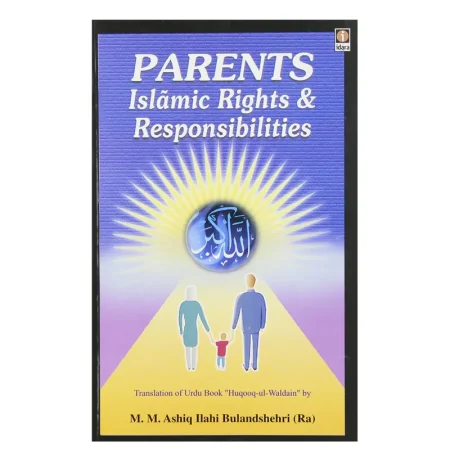
- Parents : Islamic Rights & Responsibilities
1 in stock

- A Gift To The Husband And Wife Maulana Muhammad Ashraf Ali Thanwi Idara (English)
3 in stock
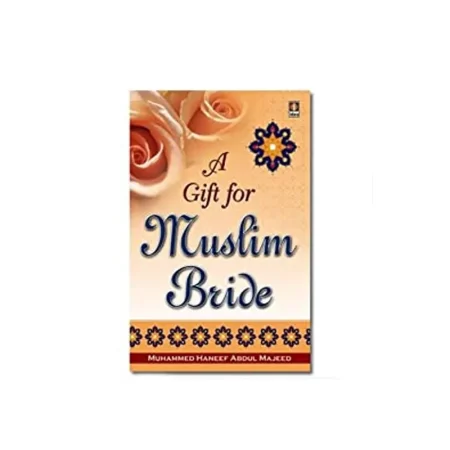
- Hardcover
- Publisher: Idara Impex (2014)
- Language: English
8 in stock
